
Explore Fairy Tales
20
Books
24
Authors
Representative Books
- The Arabian Nights Entertainments — Volume 03 — Inside the Classic
- The Arabian Nights Entertainments — Volume 04 — Reading Companion
- Fairy Tales, Their Origin and Meaning; With Some Account of Dwellers in Fairyland — A Reader’s Guide
Show 6 more books
- The Book of the Thousand Nights and One Night, Volume II — Context and Discussion
- The Legend of the Bleeding-heart — Reading Companion
- The Arabian Nights Entertainments — Edition Insights
- Grimm Tales Made Gay — Text and Context
- The Story of the Duchess of Cicogne and of Monsieur de Boulingrin 1920 — Text and Context
- Child-Life in Japan and Japanese Child Stories — Background and Themes
Authors Represented
Fairy Tales - eBooks
20 Books found![Cover of The nights of Straparola, volume 1 [of 2] — Inside the Classic](https://aniwu.com/storage/media/covers/pg75257.jpg)
The nights of Straparola, volume...
In Fairy T...

The house of joy — Edition Insights
In Fairy T...

Swiss Fairy Tales — Background a...
In Fairy T...

Belgian Fairy Tales — Background...
In Fairy T...
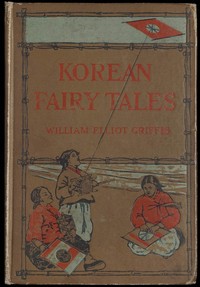
Korean Fairy Tales — Reading Com...
In Fairy T...

The Lost Dryad — A Closer Reading
In Fairy T...

Supplemental Nights to the Book ...
In Fairy T...

Supplemental Nights to the Book ...
In Fairy T...
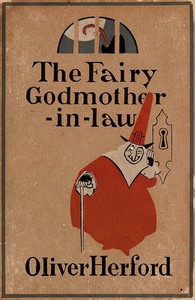
The Fairy Godmother-in-law — Sto...
In Fairy T...